
A few days ago Dean Shareski came out with an interesting post that got me thinking (it’s time I got back into writing something). Dean has a great sense of humour so I think the post is a little tongue in cheek – I Don’t Think I’m an EdTech Guy Anymore.
In the article, he wonders whether what he once saw as edtech is really technical anymore.
Using digital media to create and consume, expanding classrooms to connect with experts and other learners, connecting assessment to technology, effectively using mobile devices as well as exploring the growing interest in digital citizenship were all topics and areas I spent time teaching and supporting. Today those topics, while still of interest do not have the same “newness” that we associate when with think of technology.
I can agree with this. The things that he writes about as now being technology leave me a little cold. His list includes:
- Augmented and Virtual Reality
- 3D Printing
- Coding (arguably coding has been around for a long time but has become a newly sought after skill/experience)
- ESports
- BlockChain (data security)
I remember bringing some of this technology into schools and being pretty excited about the possibilities of makerspaces and tools to start understanding how coding works. Now, while I am still (more than ever) interested and engaged in teaching and writing about education, I don’t seem to get as excited about some of this technology.
I have to ask here, what is seen as educational technology these days? In another part of the article, Dean references an ISTE article on the 9 hottest topics in Edtech. The list includes professional learning vs. professional development and student-centered learning as two of the nine.
My question is – are these really edtech trends? Am I off base or is the trend towards more individualized learning (two of the edtech trends) simply a matter of more intelligent pedagogy or must it be linked up to technology?
Earlier this week I observed a student teacher going through a lesson with some grade 9 students. The lesson did have technology – there were Youtube videos and digital media involved in the presentation. What was missing was any level of engagement with the students. The information was conveyed using a very traditional lecture style, the students were the passive receptors of the information.
We know enough about education now that this mode for delivering information is outdated. It is unnecessary and it accomplishes little. Technology doesn’t accomplish all that much if all the strings are held on to by the teacher. The same goes for professional learning. When we bring in the sage from the school board to enrich the lives of our teachers, no matter what technology they are bringing in they are missing the point.
Maybe what we need to be focusing in on is not so much the tech we have at our fingertips but the democratization of education – maybe what we need to do is lose some of the control over information and allow our teachers and students explore more and use their own tools to find out what matters.
Writing is a funny thing. I really meant to write about the importance of digital media in education and how it really is (in my opinion) revolutionizing teaching, but I guess that will have to wait.
Whatever the edtech – AR, VR, 3D printing, coding etc, it really doesn’t matter if we do not understand the basic fact that we need to lose control. We need to let our teachers know that the sage on the stage is not a valuable way to get students excited about learning. We have to stop talking at our teachers in dreary PD sessions and we really need to model an approach that allows for inquiry and discovery in the classroom.
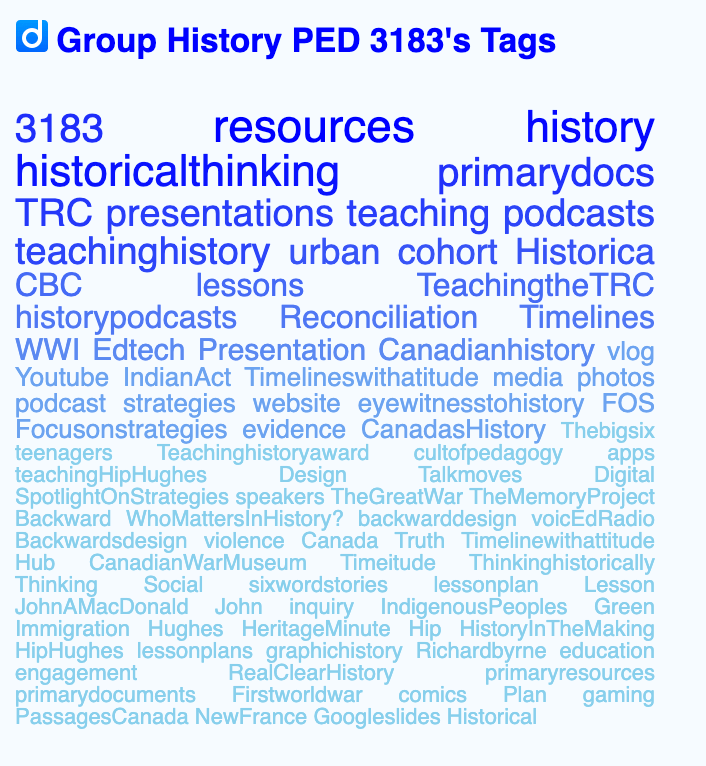
What I am seeing is that there is little excuse for not doing this. We now are able to bring almost anything into the classroom. I was astounded last fall when I was giving a course on teaching methods in history how much amazing primary material is now out there for students to examine. And you don’t need a classroom full of computers to actively engage your students.
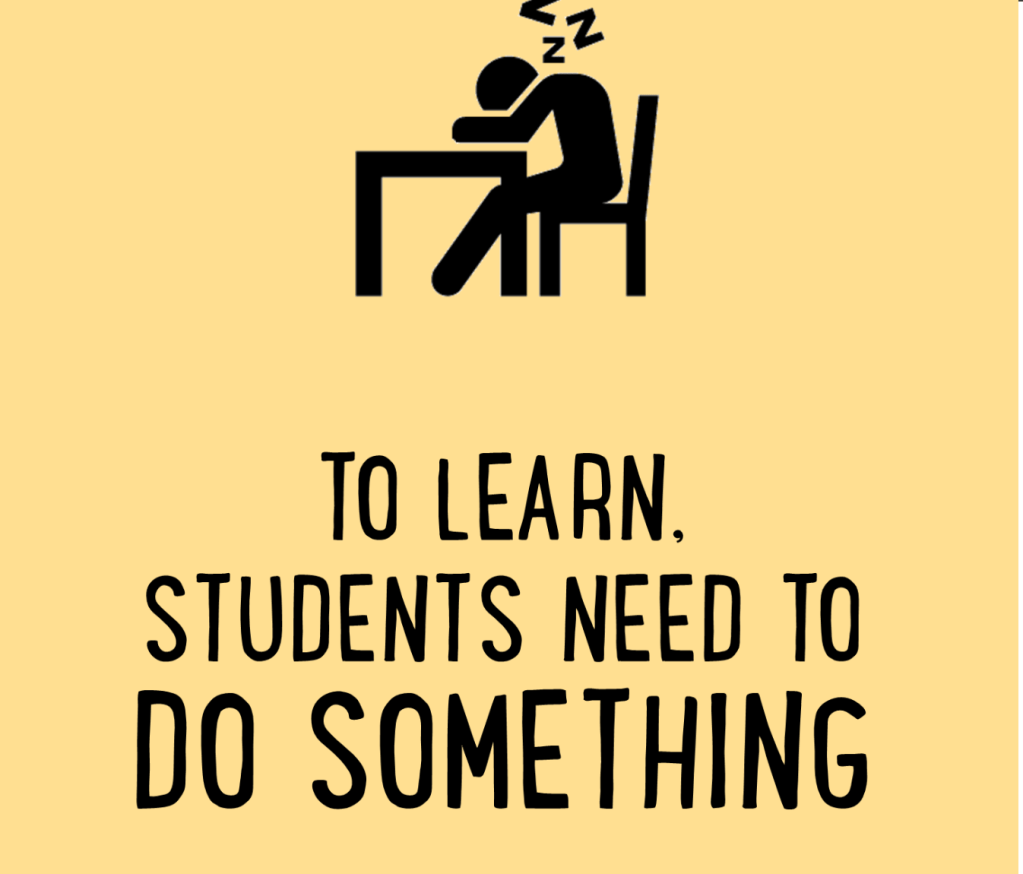
We know better now. Students need to get their hands dirty and get involved in their own learning.
Why should we hold onto all the keys to the knowledge chest? Why not open it up and let our students and teachers discover what is out there? They are bound to find out more than we could imagine.
More on the treasure of digital media later. The world is unfolding in your classroom – if you are willing to lose a bit of control!

 Whole-Hearted